A warm spot on the floor. The sound of water running when every faucet is off. A water bill that suddenly jumps for no obvious reason.
These can all be signs of a slab leak, one of those plumbing problems that's easy to miss because the leak may be happening underneath your home.
For homeowners in Long Beach, especially those living in older homes, knowing the early warning signs of a slab leak can help you catch a plumbing problem before it causes more extensive water damage.
At All Tomorrow's Plumbing, we diagnose and repair hidden plumbing leaks throughout Long Beach and surrounding areas. Here's what to look for if you think you may have a leak under your foundation.
What Is a Slab Leak?
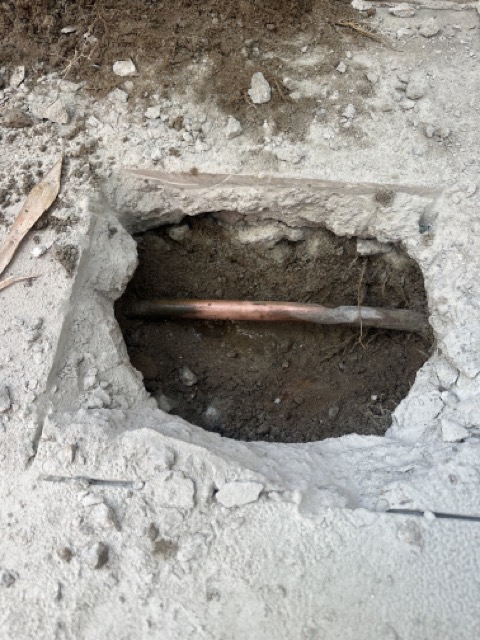
A slab leak is a plumbing leak that develops in a water line located underneath or within a home's concrete slab foundation.
Unlike a leaking faucet or pipe underneath a sink, you usually can't see where the water is coming from.
Instead, the first clues often show up somewhere else in the house.
You might notice a warm floor, unexplained moisture, lower water pressure, a higher water bill, or simply hear water running when nothing is turned on.
Because the actual pipe is hidden beneath the foundation, determining whether you have a slab leak—and locating it accurately—usually requires professional leak detection.
7 Warning Signs of a Slab Leak
1. A Warm or Hot Spot on Your Floor
One of the most recognizable signs of a hot-water slab leak is an area of flooring that suddenly feels warmer than the surrounding floor.
You may notice it while walking barefoot across tile, hardwood, laminate, or another flooring surface.
If the warm area stays in approximately the same location and you don't have another obvious heat source underneath it, a leaking hot-water line may be responsible.
2. Your Water Bill Suddenly Goes Up
A hidden plumbing leak can continuously waste water without leaving an obvious puddle.
That's why an unexplained increase in water usage can sometimes be one of the first signs homeowners notice.
If your household hasn't changed its water habits but your usage has increased considerably, it's worth investigating.
A running toilet, irrigation leak, leaking fixture, underground water-line leak, or slab leak could all potentially be responsible.
3. You Hear Water Running When Everything Is Off
Turn off your faucets, dishwasher, washing machine and other water-using fixtures and appliances.
Now listen.
If you can still hear what sounds like running, hissing or rushing water, there may be water moving somewhere it shouldn't be.
The sound alone doesn't prove you have a slab leak, but combined with other symptoms, it's a good reason to have your plumbing inspected.
4. Damp Flooring or Unexplained Moisture
Water escaping beneath a slab can sometimes migrate upward and eventually affect flooring or nearby materials.
You may notice:
- Damp carpet
- Warped flooring
- Discoloration
- Moisture near baseboards
- A musty smell
- An area of flooring that doesn't seem to dry
Don't assume unexplained moisture is simply humidity or a spill—especially if it keeps returning.
5. Your Water Pressure Has Dropped
A significant leak in a pressurized water line can affect the amount of water reaching your fixtures.
If your water pressure suddenly becomes weaker throughout the house, a leak is one possible cause.
Low water pressure can have several other causes, including valves, regulators and aging or corroded plumbing, so this is another symptom that needs to be properly diagnosed rather than guessed at.
6. Your Water Meter Moves When No Water Is Being Used
Your water meter can provide an important clue that water is escaping somewhere in the plumbing system.
Turn off faucets and water-using appliances and make sure nobody is using water inside or outside the house.
Then check the meter.
If it continues showing water usage, there may be a leak somewhere on the property.
This test doesn't tell you where the leak is, but it can tell you that it's time to investigate further.
7. Cracks, Flooring Changes or Other Unexplained Damage
Water underneath a home can affect surrounding materials over time.
If you notice new flooring problems, unexplained moisture damage or cracking along with other signs on this list, don't ignore it.
Not every crack means you have a slab leak. Homes settle and flooring can change for many reasons.
But multiple symptoms occurring together deserve a closer look.
Are Slab Leaks Common in Older Long Beach Homes?
Long Beach has a large number of older homes, and the plumbing inside them may have been installed decades ago or modified multiple times over the life of the property.
As pipes age, corrosion, deterioration, movement and years of normal use can eventually lead to leaks.
We've previously covered some of the plumbing issues associated with older Long Beach homes, including aging galvanized and copper plumbing.
A slab leak isn't automatically the result of an old house, though. Problems can also develop from pipe corrosion, abrasion, movement, installation issues, water pressure and other factors.
That's why finding the actual source of the leak matters.
What Should You Do If You Think You Have a Slab Leak?
First, don't start tearing up your floor looking for the pipe.
The symptoms of a slab leak can overlap with several other plumbing problems.
A professional plumber can evaluate the plumbing system and determine whether you're actually dealing with a leak before deciding how it should be repaired.
If you have significant active leaking or water entering the home, shut off the water if you can safely do so and contact a plumber promptly.
For a suspected hidden leak, professional leak detection can help narrow down the location and determine the appropriate next step.
Can a Slab Leak Be Repaired Without Tearing Up the Whole Floor?
Often, yes.
Finding a slab leak doesn't automatically mean your entire floor or foundation needs to be demolished.
The appropriate repair depends on the location of the leak, the condition and material of the existing plumbing, whether the home has experienced previous leaks, and how the plumbing system is configured.
Depending on the situation, a plumber may recommend repairing an accessible section or rerouting the affected water line rather than opening a large portion of the slab.
If the plumbing has developed multiple leaks or has widespread deterioration, it may also make more sense to discuss repiping rather than repeatedly repairing individual failures.
The important part is diagnosing the problem first and choosing a repair based on the condition of your plumbing system.
How Serious Is a Slab Leak?
A small hidden leak can become a much larger problem when it continues unnoticed.
Beyond wasting water, prolonged moisture can damage flooring, baseboards, drywall and other materials in the home.
That's why early detection matters.
If you've noticed one warning sign, don't panic. It may have another explanation.
But if you're seeing several symptoms at once—such as a higher water bill, a warm floor and the sound of running water—it's worth having the plumbing checked.
Slab Leak Detection & Repair in Long Beach, CA
If you think you may have a slab leak, All Tomorrow's Plumbing can help determine what's actually happening before the problem gets worse.
We provide slab leak detection, plumbing leak repair, water-line repair, rerouting and repiping services for homeowners throughout Long Beach and surrounding communities.
Whether you've noticed a warm floor, unexplained moisture, low water pressure or a water meter that won't stop moving, we'll help identify the source and explain your repair options.
Suspect a slab leak? Call All Tomorrow's Plumbing at (714) 290-7401.
Emergency plumbing service is also available when you have an active leak or water emergency.